How goal setting can help custom residential builders turn bigger business and life ambitions into practical action
Stop setting goals that stay on paper.
Good goal setting is not about creating an impressive list of things you hope to achieve.
It is about deciding what you actually want from your building business and your life, then turning that vision into actions you can take.
For builders, that might mean improving profitability, creating more time, building a stronger team, delivering better projects or simply getting home without carrying the business around in your head all night.
Be sure to also subscribe to the Live Life Build YouTube channel.
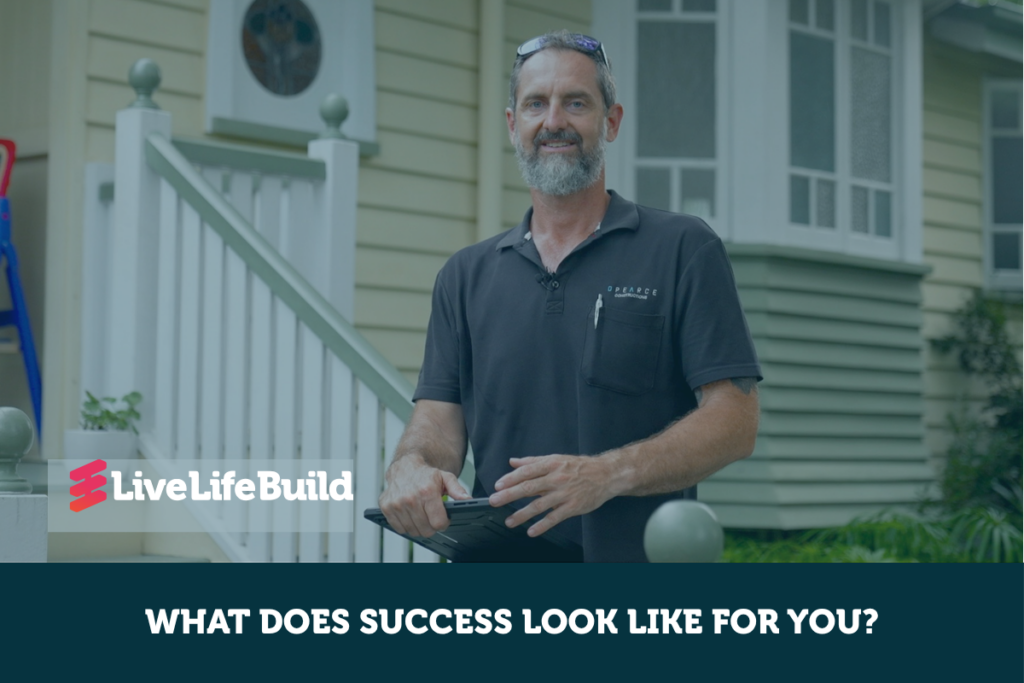
Start by defining what success actually means to you
It is easy to absorb someone else’s definition of success. Bigger revenue. Bigger projects. A bigger team. More social media followers. More work.
But bigger does not automatically mean better.
The Successful Builder Solution starts from a different question: what does success look like for you?
The framework recognises that true success is not a one-size-fits-all destination. It is something you define and work towards in a way that supports the life you want.
Before you write a goal, ask yourself what you are actually trying to create.
- What would a successful day in your business and life look like?
- What would need to change for you to feel proud of the business you are running five years from now?
- What would give you more freedom, confidence, stability or time with the people who matter to you?
Choose goals that are actually yours
A goal is much harder to pursue when you are chasing it because you think you should.
Maybe another builder has a larger team. Maybe someone in your network is taking on bigger homes. Maybe you feel pressure to grow because everyone around you talks about growth.
Your goals need to connect to what matters to you and your family.
If the outcome does not matter to you, it is much harder to keep taking action when the business gets busy or the goal becomes uncomfortable.
This is also where mindset matters. Sometimes the thing stopping you is not a lack of knowledge. It is fear of failure, fear of success, discomfort with change or the belief that you are better off staying where you are.
You do not need to have everything figured out before you start. You do need to be honest about what you want.
Turn vague ambitions into specific goals
One of the easiest ways for a goal to disappear is to make it too general.
I want more profit. I want to grow the team. I want less stress. I want better clients. I want more time off.
These may all be worthwhile outcomes, but they do not tell you what needs to happen next.
Make the outcome specific enough that you can recognise progress.
Instead of saying you want more time, decide what that means. It might mean leaving the office by a certain time on three afternoons each week.
Instead of saying you want a more profitable business, identify the financial outcome you are working towards and the changes you need to make to support it.
Specific goals make the pathway easier to see. They also make it easier to know whether you are actually moving forward.
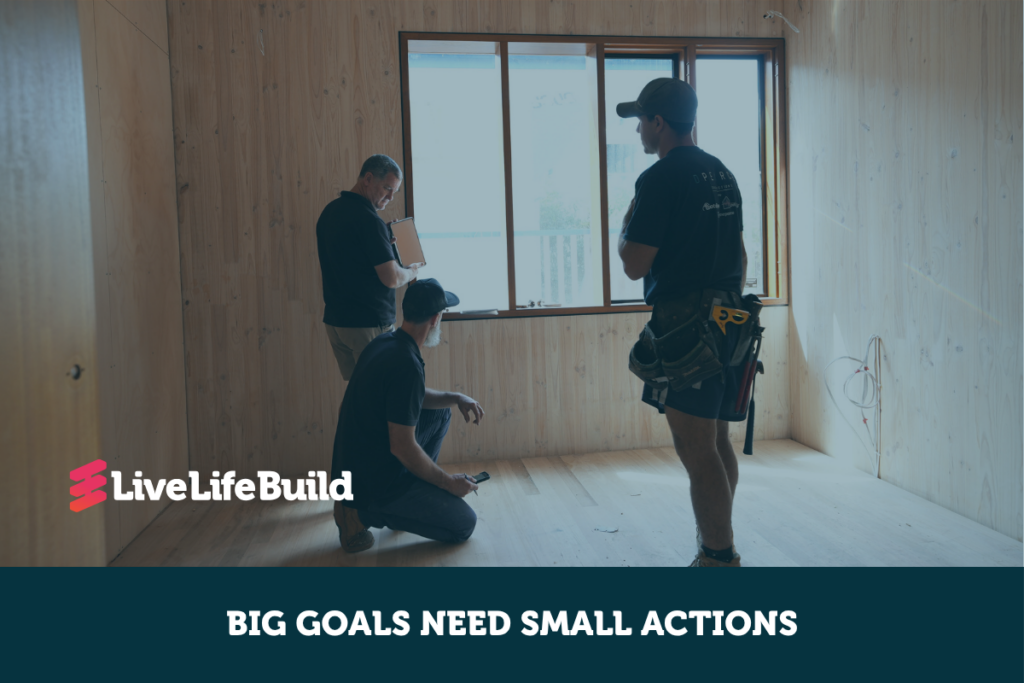
Break the big goal into actions you can actually take
A goal without action is just an intention.
Once you know what you want to achieve, work backwards. What needs to happen first? What needs to happen after that? Which actions are within your control this week?
This is where builders can get stuck. The bigger goal might be exciting, but the daily actions can feel ordinary. Improving project profitability might mean reviewing costs every week.
Building a stronger team might mean documenting a process, having a difficult conversation or planning recruitment before you desperately need someone.
Those actions may not feel as exciting as the end result, but they are what moves the goal forward.
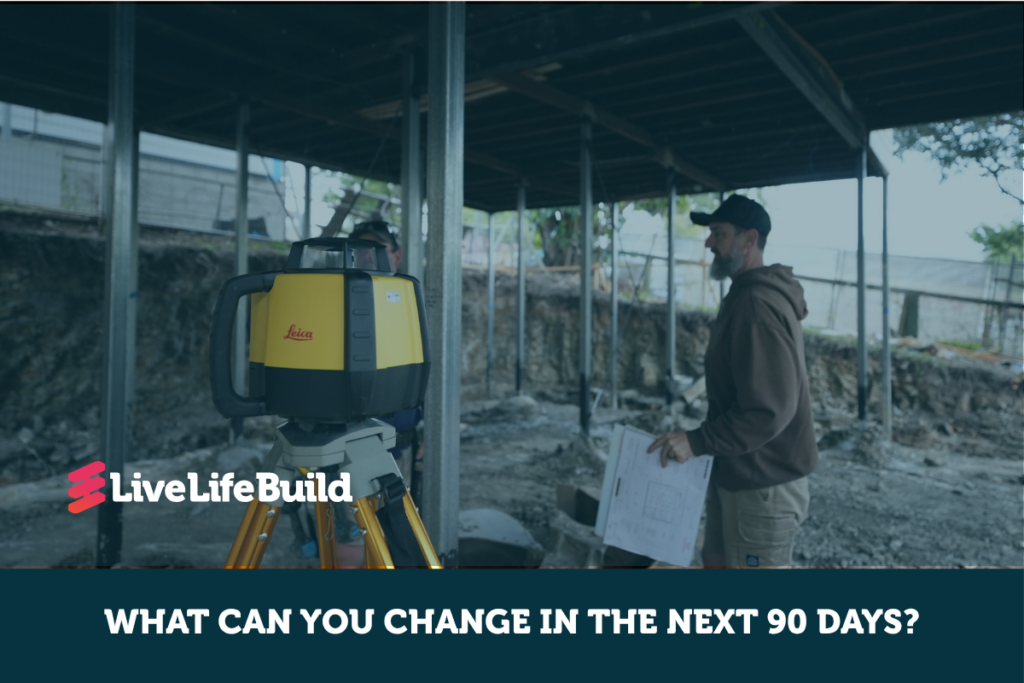
Give your goals a timeframe
Without a timeframe, it is very easy to keep telling yourself that you will get to it later.
A timeframe does not have to create unhealthy pressure. It creates a point at which you can review whether your actions are working and decide what needs to change.
For many builders, a 90-day timeframe can be useful. It is long enough to make meaningful progress but short enough to create focus.
A larger ambition can be broken into a series of 90-day priorities, each with clear actions and a way to measure progress.
This also gives you room to adapt. Your business can change quickly. A project can move, a client can change direction, a team member can leave or an opportunity can appear.
A shorter planning cycle allows you to respond without losing sight of the bigger outcome.
Review your goals regularly, not once a year
Writing a goal down once does not make it happen. You need to keep bringing it back into your attention.
Set a regular time to review what you said you wanted, what you have done and what needs to happen next.
Weekly reviews can help keep the goal connected to your everyday decisions, while a longer review at the end of each 90-day period can help you measure progress and reset your priorities.
The review is not about beating yourself up because you did not achieve everything. It is about learning.
- What worked?
- What got in the way?
- Did the goal still matter?
- What needs to change?
- What is the next action?
That process turns goal setting into an ongoing practice rather than another document that gets forgotten in a drawer.
Connect your goals to the business you actually want to build
The strongest goals do not sit separately from the way you want your business to operate. They connect to the outcomes that matter.
The Successful Builder Solution brings that thinking together through three Codes: Profitability, Quality and Wellbeing. Each gives you another lens for thinking about what you want to improve and what success means for your business and life.
A goal to increase profit may connect to knowing your numbers, scheduling your time or working with the right clients and processes.
A goal to improve quality may connect to systems and team capability.
A goal to improve wellbeing may mean looking honestly at your health, identity, relationships and the way you are leading yourself.
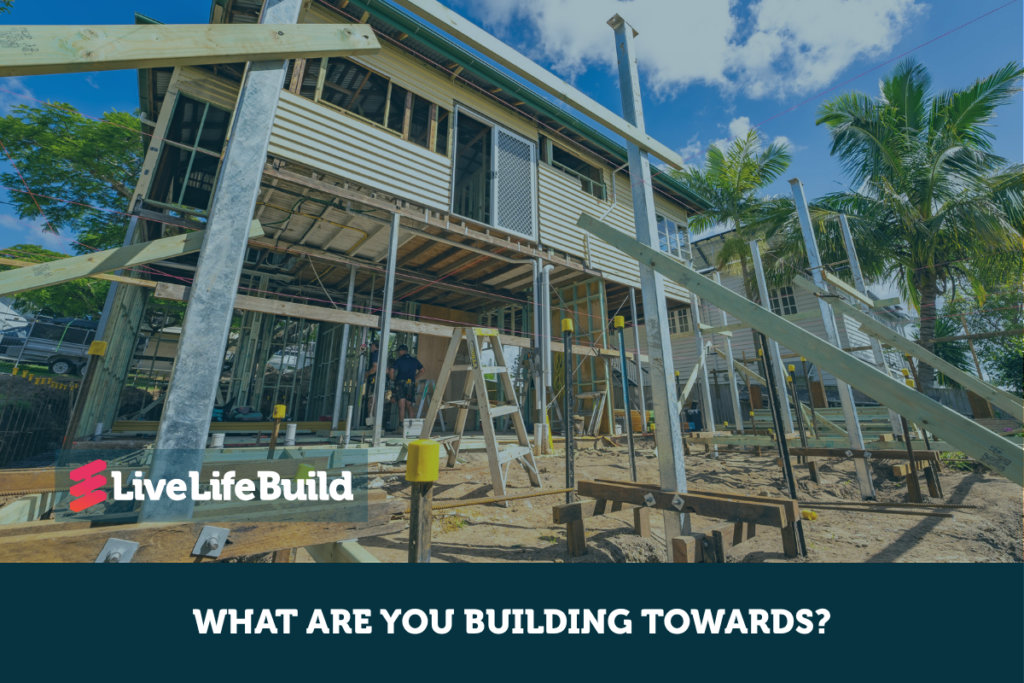
The point is not to create nine more goals. It is to make sure the goals you choose are connected to what you are actually building towards, both in your business and in your life.
Goal Setting and Elevate: Turn Your Goals Into Progress
Your goals do not need to be perfect. They need to be meaningful, clear enough to act on and important enough to keep coming back to.
Start by defining success on your own terms.
Choose what actually matters to you.
Turn it into specific actions.
Give yourself a timeframe.
Review it regularly.
Then keep making the next decision that moves you forward.
That is the difference between having goals and using goals to change the way you run your business and live your life.
Inside Elevate, builders work through the practical business and personal shifts that support sustainable success, backed by the Successful Builder Solution, community, systems and accountability.