How one pre-construction process can streamline your building business, strengthen client relationships and help you plan your pipeline with greater confidence
Get ahead before you get on site.
What if you could streamline your building business before a project even reached site?
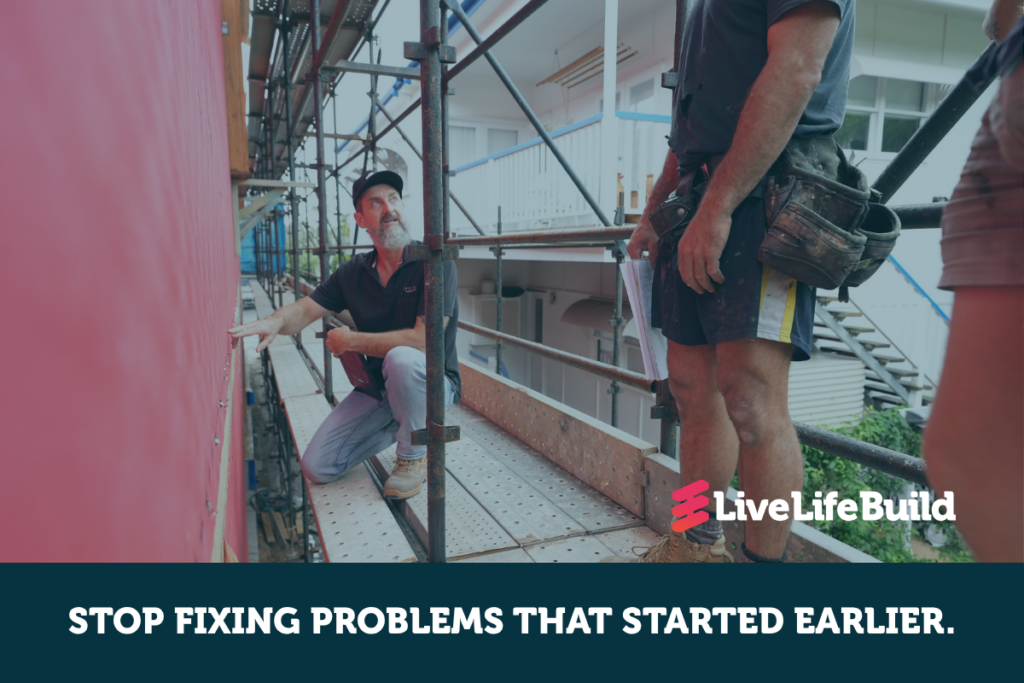
For many custom residential builders, the biggest problems show up during construction, but the causes often start much earlier.
Design changes.
A client expectation was never documented.
The budget no longer works.
Important details are missing from the drawings.
Then the builder is left to sort it out.
That is why the PAC Process can be so powerful. It brings the builder into the pre-construction stage as a paid consultant, working collaboratively with the client and their designer or architect while the design is developing.
The result is more than another process. It can change how you manage the client relationship, your project pipeline, your pricing, your team and your own time.
Be sure to also subscribe to the Live Life Build YouTube channel.
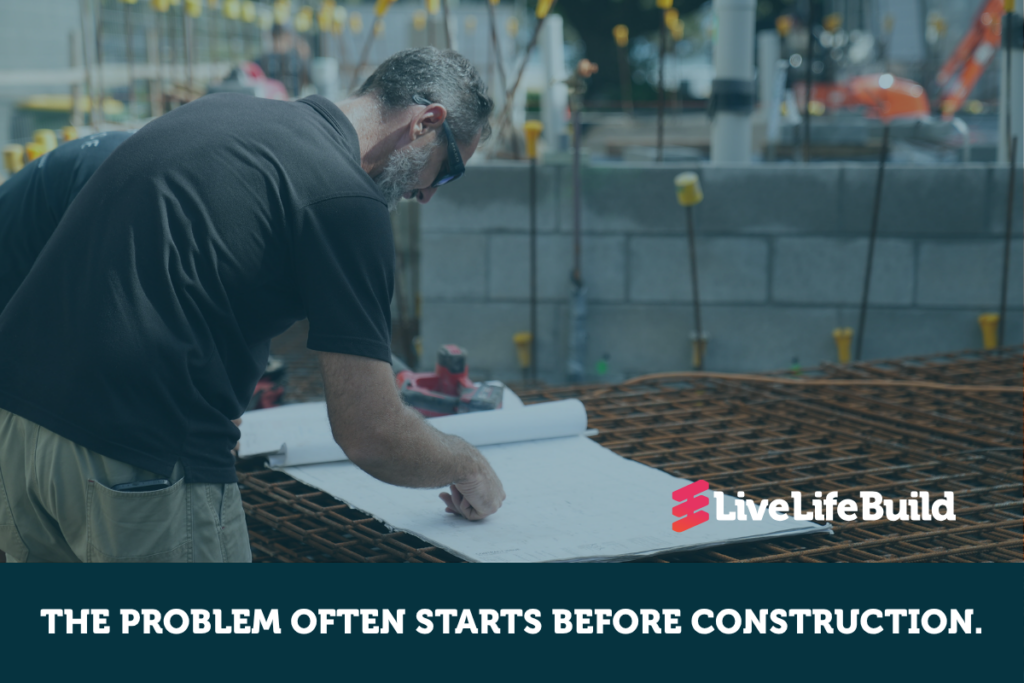
The problem often starts before construction
By the time you arrive on site, many important decisions have already been made.
The homeowner has been discussing their ideas with a designer or architect.
They have expectations about what their home will include. They may have discussed details that never make it into the documentation.
Then construction begins.
You are working from the drawings and specifications, but the client remembers conversations that happened during design.
That is where the gap appears.
The client expects one thing.
The documentation shows another.
And you are suddenly responsible for managing the consequences.
The PAC Process identifies this as a common source of stress, because builders can end up fixing expectations and documentation issues that began during design.
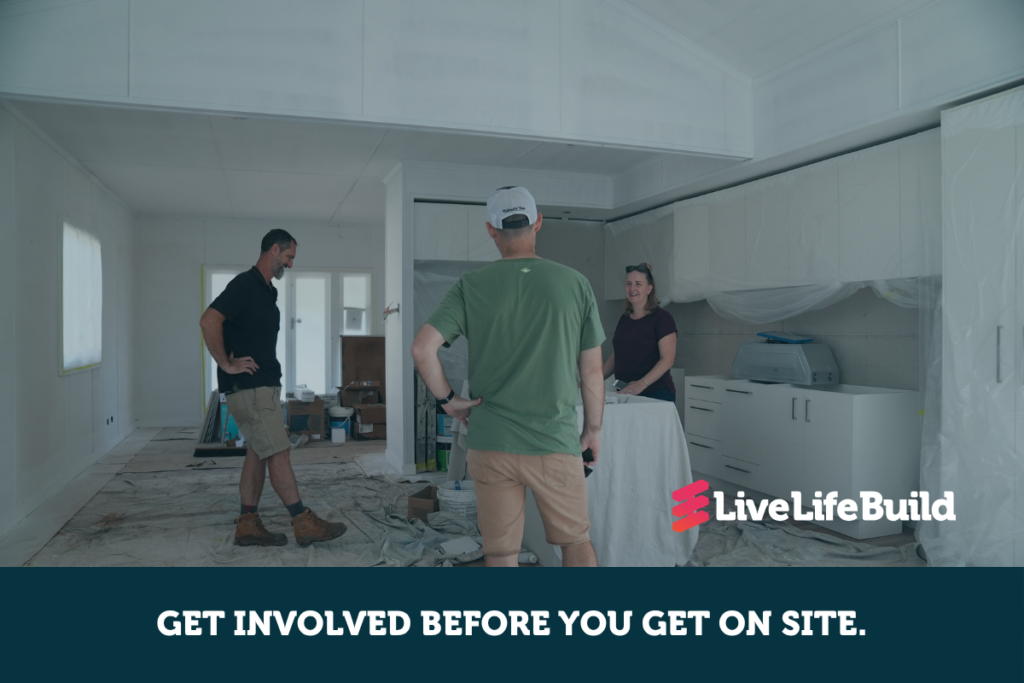
Getting involved earlier gives you the opportunity to understand what the client wants before you are the person expected to deliver it.
1. Get clear on what the client actually wants
The first advantage of the PAC Process is simple: you hear the conversations.
Instead of receiving a finished set of drawings and trying to work out what the client has been promised, you are involved while the design is developing.
- You can ask questions.
- You can identify gaps.
- You can explain construction implications.
- You can help the client and designer understand what is realistic.
- And you can make sure important decisions are documented.
That creates a much stronger foundation for the relationship.
It also helps protect your standards because expectations are being managed before they become site problems.
2. Know where the project is going before you price it
Traditional quoting can create a frustrating cycle.
- You spend hours preparing a quote.
- You send it to the potential client.
- Then you wait.
Weeks or months later, you receive a call saying they want to proceed and want to start soon.
Now you have a problem.
You may not have capacity.
Your team may already be committed.
Your suppliers and trades may not be available.
Or you may have to make a decision about taking on work simply because you do not want to lose the opportunity.
Being involved during design changes the conversation.
You have a better understanding of what is coming through your pipeline and where each project is at.
That makes it easier to plan your workflow, your team and your growth proactively.
3. Stop spending your time on free quotes that go nowhere
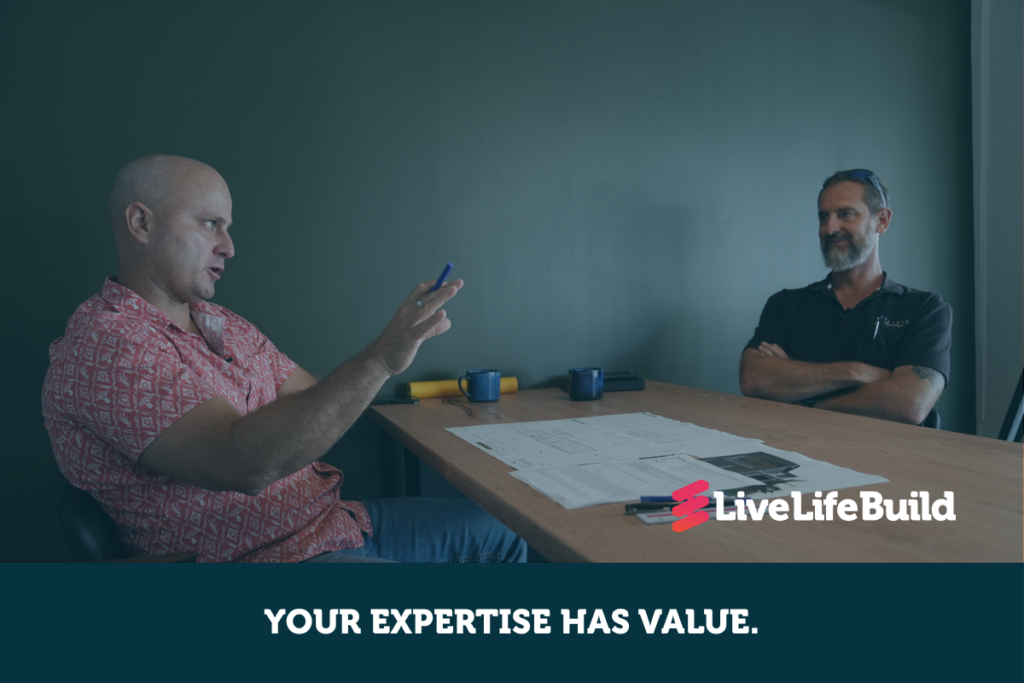
Your expertise has value.
Yet many builders spend hours providing advice, developing ideas and preparing detailed quotes before knowing whether a potential project is genuinely suited to their business.
Some of those enquiries will never proceed.
Others may be comparing several builders purely on price.
And some may not have the budget or timeframe to make the project viable.
The PAC Process creates a different starting point.
You are paid for your expertise during pre-construction rather than giving away that expertise in the hope that you will eventually win the building work.
That changes the relationship.
You are no longer simply another builder waiting to submit a number.
You are contributing professional knowledge to help shape the project.
That can position you as an authority while creating a more deliberate path towards construction.
4. Price with better information
Good pricing depends on good information.
If you understand the design, the client’s expectations and the decisions being made throughout pre-construction, you have a much clearer basis for pricing the work.
- You are not relying only on drawings that may still contain gaps.
- You have heard what matters to the client.
- You can identify potential issues earlier.
- You can challenge assumptions before they become expensive problems.
- And you can help ensure that what has been discussed is actually captured in the documentation.
That can reduce the risk of discovering on site that something important was assumed but never documented.
It is one reason the PAC Process can support the Profitability Code within the Successful Builder Solution. The aim is not simply to win more work. It is to build a more financially stable and strategically managed business.
5. Create a better client relationship before the build begins
Trust does not suddenly appear when you hand over the keys.
It is built through the experience you create throughout the project.
When you are involved during design, the client has the opportunity to get to know how you think and how you work before construction starts.
They can see that you are not simply interested in getting the contract signed.
- You are helping them make better decisions.
- You are asking questions.
- You are identifying risks.
- You are bringing practical construction knowledge into the design conversation.
That creates a very different relationship from the traditional builder-client experience.
And when expectations are clearer before construction begins, you can reduce some of the conflict, confusion and stress that otherwise land on site.
6. Give your team a clearer pipeline to work from
A healthy pipeline is not just a sales metric.
It affects your whole business.
When you know what projects are developing, what stage they are at and what is likely to happen next, you can make better decisions about your team and resources.
- You can plan ahead.
- You can identify when you need more capacity.
- You can avoid taking on projects simply because you are worried about where the next one will come from.
- You can also avoid the opposite problem: saying yes to everything when your business does not have the capacity to deliver it well.
The PAC Process specifically connects pre-construction involvement with better pipeline and workflow planning, allowing builders to manage team and business growth more proactively.
The PAC Process can close several Business Black Holes at once
This is where the process becomes particularly powerful.
The Business Black Holes framework identifies issues such as excessive time chasing leads that do not convert, unpaid time preparing quotes for bad-fit clients, unclear scopes of work, poor documentation, unclear client expectations, taking calls that interrupt focused work and working long hours to compensate for inefficient processes.
These can look like separate problems.
Often, they are connected.
- When your client journey is reactive, you spend more time chasing.
- When expectations are unclear, you spend more time resolving.
- When documentation is incomplete, you spend more time fixing.
- When your pipeline is unpredictable, you make rushed decisions.
- And when all of that lands back on you, your time and energy disappear.
A stronger pre-construction process can help address several of these problems before they become expensive.
Streamline your building business by changing where the builder enters the process
The biggest shift is not simply adding another system.
It is changing the point at which you become involved.
Instead of waiting until the design is complete and then competing for the building work, the PAC Process positions you as a paid consultant during pre-construction.
- You become involved earlier.
- You understand the project earlier.
- You build the relationship earlier.
- You identify risks earlier.
- And you can plan your business around what is actually coming.
That is why the PAC Process is a powerful way to streamline the building business overall.
Streamline your building business with the PAC Process and LaunchPad
If your business still relies on free quotes, unpredictable project starts, unclear client expectations and solving problems after they reach the site, it may be worth reviewing how your client journey is structured.
The PAC Process is one practical methodology that can help builders create a more profitable, higher-quality and sustainable business.
Start by exploring LaunchPad, Live Life Build’s practical course for builders who want to strengthen the way they run their business.
Streamlining is not about squeezing more work into every day. It is about creating clearer processes, making informed decisions and building a business that supports the projects you want to deliver and the life you want to lead.