Does your wife or partner work in your family building business? Why their role deserves recognition, a fair wage and a clear structure
The real hero of your business might be at the kitchen table.
If you run a family building business, there’s a good chance someone other than you is keeping it running after hours. Quotes, invoices, variations, emails and client approvals get done late at night at the kitchen table, often by your wife or partner, and often without anyone calling it work.
For a lot of custom builders, it starts small. Your partner offers to help with a few invoices or chase a client for a selection. It takes some pressure off, so you say yes.
Then the help grows. Before long they’re across the admin, the paperwork and half the client communication, usually on top of their own job and everything that comes with running a family. It’s rarely formalised, rarely recognised and rarely paid. And the time you used to spend together slowly turns into time spent catching up on the business.
Duayne lived this for years. For the first eight years of his building business, he didn’t see what his wife was doing as working in the business. She was “just helping out”. Looking back, he says the business would have stopped without her.
What changed everything was recognising her role for what it was, paying her for it and putting structure around how they worked together. The business became more sustainable, and so did their relationship.
In this article, you’ll find Duayne’s story and the practical steps that helped them make it work: how to recognise the role your partner plays, why that role belongs in your overheads, and how to work together without the business taking over your relationship.
If your partner is the one holding things together behind the scenes, read on. Then share it with them and talk about what you’d both like to change.
Be sure to also subscribe to the Live Life Build YouTube channel.
Does your wife or partner work with you in your building business?
A lot of builders would answer no. Your partner isn’t on the tools with you or sitting in the site office all day, so it doesn’t feel like they work in the business.
That’s exactly what Duayne thought. Looking back at those first eight years, he puts it simply: “I would have been lost without my wife’s help. The business would have stopped.”
Plenty of family building businesses rely on a wife, partner or other family member to keep going. Just because they aren’t on site doesn’t mean they aren’t working for the business.
For most partners, it happens on top of everything else. Many work in their own careers, handle the school runs, meals and everything else at home before and after work, and then spend hours at night helping you keep the business on track.
Duayne understands how it happens. He got into carpentry because he loved being outdoors and couldn’t stand sitting in a classroom. As the business grew, so did the paperwork, the emails and the technology. He avoided it, and the avoiding created more stress and more work. More often than not, the fix was his wife helping him sort it out late at night.
If that sounds familiar, you’re in good company.
When helping out turns into a real role in your building business
It usually starts with a bit of help here and there to bring your stress levels down. Then, as your partner gets a clearer picture of what the business needs, the workload grows. Quotes, enquiries, contracts, variations, extensions of time, client approvals. Before long they’re playing a vital role.
That’s how it unfolded for Duayne and his wife. He’d be up early and on site, while she got their daughter to day care and herself into the city for work. Most days he wasn’t home until late afternoon or evening, which meant he saw his daughter at dinner and bedtime, and some days not at all.
Eventually his wife started joining him in the office after the kids were in bed, just to ease the pressure. Over time, those late nights became their quality time, and that put real strain on their relationship.
During her maternity leave after their second child, they realised it couldn’t keep going that way. It wasn’t good for the business, the family or their relationship. What she was doing was a significant role, far bigger than a few hours squeezed in each night. So they made a big decision: she wouldn’t return to her career, and she’d work in the business full time.
“It was a big step for her to leave her career like that,” Duayne says. “And one I’m very grateful for.” It made a huge difference to the business and to their lives.
Is your family building business relying on unpaid work?
When Duayne’s wife moved into the business full time, they saw it as an advantage. The business couldn’t afford another staff member, and she wasn’t costing it anything.
Looking back, Duayne calls that poor thinking. She was carrying the stress of the office and the day-to-day running of the business with no building experience, learning every part of it as she went, and she wasn’t being paid a wage that reflected the work. Going from a well-paid career with her own income to that affected her mentally and emotionally.
It also meant the business was relying on free labour to keep going.
This happens in more building businesses than you might think. When you don’t know your true overheads, it’s easy to end up with a partner or family member working for very little, or nothing at all. It can even feel like you’re ahead. All it really does is hide a cost the business will have to cover eventually, and make it harder to grow. Duayne shares more about this in How you price your projects: the race to the bottom, including the years when his wife wasn’t being paid for the work she did in the business.
If your wife or partner works in the business in any capacity, they should be paid for the role they play. That wage is a genuine cost of running the business and it belongs in your overheads. If they weren’t doing the work, you’d be paying someone else to do it.
Know your numbers is one of the three Standards of the Profitability Code in the Successful Builder Solution, alongside Schedule your time and The right clients with the right process. It’s no coincidence that not taking ownership of your finances and overlooking admin or overhead costs when pricing jobs both appear on the Profitability Leaks worksheet, an exercise Elevate members work through.
For Duayne and his wife, getting this right was a turning point. Paying the role properly helped everyone involved feel respected, valued and part of the team, and it put their relationship on a better footing too. The sooner you build a fair wage for your partner’s role into your costs and pricing, the sooner your business is genuinely sustainable.
Different strengths make your building business stronger
For years, Duayne was juggling sites, trades, clients and everything else a building business throws at you. Under that much pressure, he’d sometimes reply to a client too quickly and put them offside.
At night he’d talk it through with his wife, or with their accounts manager on the days she was in the office. They’d tell him he should have read the contract first, or waited until he’d calmed down before responding, or that what he’d told the client wasn’t quite right. For a long time he heard them, did nothing about it and kept landing in the same situations.
Once his wife was working in the business full time, that changed. With someone in the office every day handling much of the client communication, things turned around quickly. She brought a different way of working: reading the detail before acting, taking time to understand the situation and staying calm when conversations got tense.
Your partner’s perspective can be one of the most valuable resources in your business, especially if they’ve come from a different career. Skills they’ve built elsewhere, whether in communication, organisation, finance or managing people, often translate to a building business in ways you wouldn’t expect. And for your clients, having a calm, consistent point of contact can make a big difference to how supported they feel throughout their project.
How to make working with your partner in your building business work
Whether your partner helps out a few hours a week or works in the business full time, the aim is to make their role clear, valued and sustainable. Keep in mind that working in your building business often wasn’t their first choice. They’re doing it for the family.
These are the things that made the biggest difference for Duayne and his wife:
- Explain tasks like you’re teaching, not telling. They may have little or no building experience, so share the why as well as the what.
- Be their mentor. The more they understand, the more confident they’ll be making decisions on the spot instead of waiting for you.
- Write down their roles and responsibilities, and yours. A clear description of who does what removes the guesswork and stops work overlapping.
- Talk to each other as co-workers during work hours, and as partners outside them.
- Listen to their ideas. Experience from previous careers can be a powerful resource in a building business.
- Agree on how you’ll communicate about work, so confusion during the day doesn’t turn into an argument at night.
- Let your trades and suppliers know your partner will be working across more of the business, and ask them to share their knowledge.
- Encourage training, events and networking, so they can keep learning and connect with others in similar roles.
- Show your appreciation every day.
- Most importantly, set work hours and keep the business separate from your relationship and family time.
Clear roles sit at the heart of two of the three Quality Standards in the Successful Builder Solution: Systems and Team. The Business Black Holes worksheet also lists allowing lack of clarity in roles to create unnecessary stress, and in a family business, that stress tends to land on the people closest to you.
Keep the business from taking over your relationship
Wellbeing is one of the three Codes in the Successful Builder Solution, and Relationships with others is one of its Standards, alongside Health and Identity. Your relationship with your partner sits right at the centre of it.
When the business spills into every evening and weekend, you both pay for it. Not setting boundaries for your personal time and failing to take time off to recharge are both on the Business Black Holes list for good reason.
A good place to start is planning your year together, with the things that matter most to you both locked in first. Time management for builders walks through how to do it, including sharing your calendars so you’re working from the same plan.
Elevate member Anthony saw this first-hand. Once his business was on a stronger footing, his wife, who had been working full time out of necessity, could choose to work just a few days a week. You can read his story in Builder work life balance: get your nights and weekends back.
Get it right and working together can be incredibly rewarding. Your wins become family wins. With more control over your hours, you can share school drop-offs and pick-ups, get to after-school activities and enjoy long weekends together.
There’ll still be ups and downs as you both learn and adjust, and Duayne is the first to say so. But his experience shows that a husband and wife building a business together can work, and work well. He credits his wife with adding a huge amount of expertise and experience to their building business, and says it’s a greater business because of her.
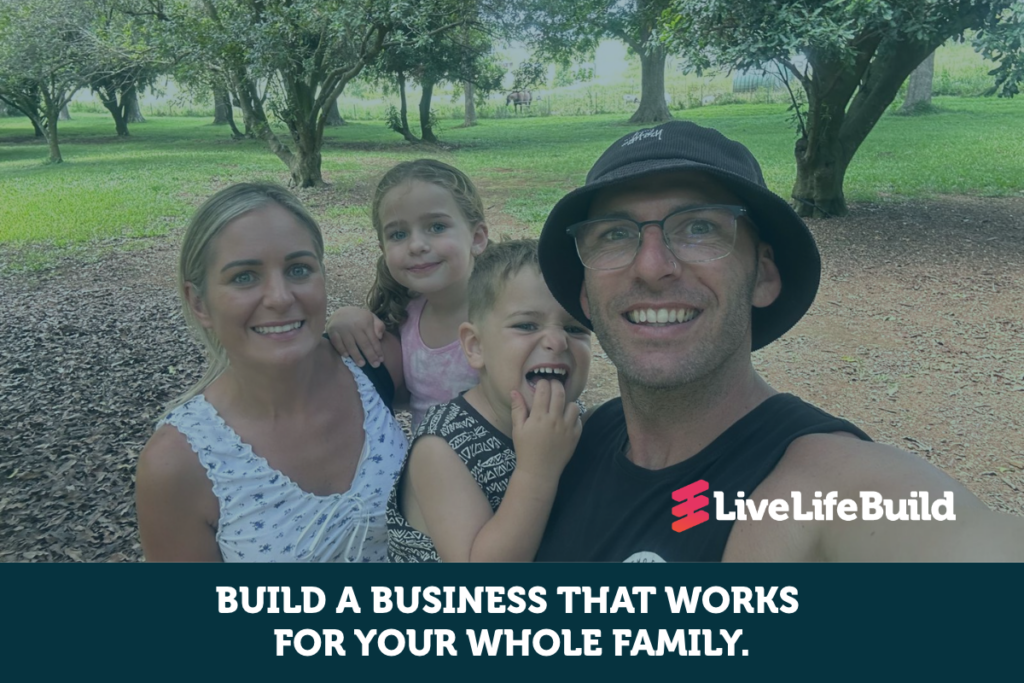
Your family building business: build your version of success with LaunchPad
If your partner is already doing more for the business than anyone realises, the best thing you can do is start the conversation. Recognise the role. Put a fair wage for it into your numbers. Write down who does what. And protect the time that belongs to your relationship and your family.
You don’t have to change everything at once. One honest conversation and one clear step can shift how the business, and home, feel.
If you’re ready to strengthen the business behind the build, LaunchPad is the best place to start. It’s practical and self-paced, and it includes the Overheads Calculator, so you can see what your business really costs to run, including the people who keep it going. When you want coaching, accountability and a community of builders working through the same challenges, Elevate is there as your next step.
Because the people who help you build the business deserve to enjoy what it builds.
Start with LaunchPad: practical, self-paced guidance to work out your true overheads, structure your business and build it around the life you want as a family. Find out more about LaunchPad